

Amy Pickett-Williams, MSW, LCSW, RYT LIGHT Movement
Amy Pickett-Williams, LCSW, RYT, is a licensed clinical social worker, grief therapist, and founder of LIGHT Movement, a non-profit providing somatic, trauma-informed grief support through donation-based classes, community programming, and professional trainings. She has more than 25 years of experience supporting grieving children, families, and adults across medical, behavioral health, and trauma-informed settings. Amy integrates evidence-based grief science, polyvagal theory, and somatic interventions to support nervous system regulation and adaptive meaning-making. She is the author of Beyond Our Words, an up-and-coming book on somatic and polyvagal approaches to grief, and teaches nationally to grievers and professionals.
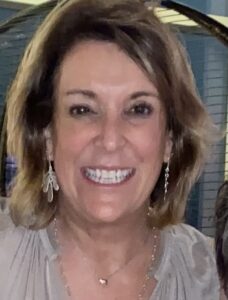
Dr. Katie Mattei, PsyD; LIGHT Movement
Dr. Katie Mattei is a Clinical Psychologist with more than 30 years of experience specializing in trauma, child loss, burn injuries, and professional burnout. A graduate of Columbia University and the University of Denver, she has served as a consultant for schools, hospitals, and community organizations, and is a sought-after national speaker on trauma-responsive care. Katie integrates somatic healing, nervous system education, and evidence-based interventions to support resilience in healthcare providers, first responders, educators, and trauma survivors. She is the Chief Operating Officer of LIGHT Movement, helping expand accessible, embodied, and socially responsive grief and trauma support.
Learning Objectives:
After attending the session, participants will be able to:
- Identify at least three ways grief, chronic stress, and trauma exposure impact the autonomic nervous system and narrow a clinician or patient’s window of tolerance.
- Demonstrate two or more somatic interventions, such as grounding, orienting, or breath-based strategies, that can be used to support nervous system regulation in oncology patients and in clinicians themselves.
- Apply polyvagal-informed assessment skills to recognize signs of sympathetic activation, dorsal shutdown, and ventral engagement in patients and families, and implement appropriate regulation strategies to enhance therapeutic effectiveness.
CE credits: 1.5 hours available for purchase
Click here to view Continuing Education information.
Category: Clinical/General
Educational Level: Intermediate
ASSOCIATION OF SOCIAL WORK BOARDS (ASWB):
 This organization, Association of Oncology Social Workers, ACE Approval #1351, is approved to offer social work continuing education by the Association of Social Work Boards (ASWB) Approved Continuing Education (ACE) program. Regulatory boards are the final authority on courses accepted for continuing education credit. ACE provider approval period: 11/11/25 – 11/11/28. Social workers completing this course receive 1.5 Clinical/General continuing education credits.
NEW YORK STATE EDUCATION DEPARTMENT’S STATE BOARD FOR SOCIAL WORK:
Association of Oncology Social Work, Inc., SW CPE is recognized by the New York State Education Department’s State Board for Social Work as an approved provider of continuing education for licensed social workers #0320.
Completion Requirements:
Social workers must successfully complete a quiz with a 75% passing grade and answer evaluation questions to earn credit for both live and recorded events.
*ACE approval is not accepted by all Boards. Please check the ACE jurisdiction map for a list of jurisdictions that currently accept ACE.