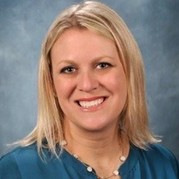
The Young Adult Support Group at Jefferson Health’s Sidney Kimmel Comprehensive Cancer Center (SKCCC) provides a sustained and evolving space for psychosocial care for adolescents and young adults (AYAs) navigating the complexities of a cancer diagnosis and treatment. Founded nearly 12 years ago by licensed clinical oncology social worker Jodi Sandos, the group was created to address a critical gap in care: the need for an emotionally safe and peer-centered environment for young people whose lives have been abruptly disrupted by cancer. Working closely with a large AYA population, Jodi noticed the unique psychosocial stressors these patients faced and sought to create a safe space to address them. Many young patients were reluctant to join other support groups at the cancer center, fearing they would be the youngest members and face different developmental challenges. Since its inception in 2014, the group’s success has been rooted in a combination of intentional structure, meaningful clinical interventions, and authentic social connections.
Early in its development, the group maintained an intimate in-person format of eight to 12 participants, allowing for deep, reflective conversations. Meetings were held once a month in the evening, with dinner served beforehand to foster social connection. Participants came from diverse cancer diagnoses and stages of illness yet shared a common understanding of the losses and changes experienced by the AYA population. Strong connections formed quickly, providing a safe space to discuss concerns that participants often felt unable to share with family or friends. This stage of life – marked by increasing independence, emerging careers, and developing relationships – was abruptly disrupted by a life-threatening illness. Topics such as financial stress, loss of independence, symptom management, fertility concerns, fears surrounding mortality, and social isolation were explored openly. Many participants found validation and support among peers facing similar challenges, reinforcing the group’s unique value.
The group specifically addressed psychosocial challenges experienced by AYAs, including altered peer relationships (“How do I create healthy friendships and intimate relationships with others who don’t have cancer?”), identity changes (“How do I navigate cancer as part of my ‘new normal’?”), career instability (“What does my career look like with a cancer diagnosis?”), and disruption of life milestones. These themes reflect universal developmental challenges experienced by AYAs with cancer, underscoring the importance of specialized psychosocial spaces. Jodi’s presence, alongside her collaboration with other social workers, ensures that discussions remain supportive, inclusive, and therapeutically meaningful. Interventions such as cognitive reframing, normalization of emotional responses, and peer validation help participants process complex feelings while building resilience. The group’s emphasis on mutual support, rather than a purely didactic model, empowers participants to learn from one another and fosters a sense of shared experience. Consistent monthly meetings provide predictability and routine during a time often marked by medical uncertainty.
Outreach and visibility have been critical to the group’s expansion. Referrals from oncologists, infusion center nurses, and interdisciplinary team members help connect newly diagnosed AYAs early in their cancer journey. Word of mouth among patients has also proven effective, as participants share positive experiences and encourage peers to attend. This combination of formal and informal strategies has allowed the group to grow organically while maintaining its core values. Despite its success, the group has encountered challenges that prompted structural adjustments and refinements to engagement strategies.
During the COVID-19 pandemic, the Young Adult Support Group transitioned to a fully virtual format. The pandemic intensified psychosocial stressors for participants, who faced heightened fears of infection, increased social isolation, and attending treatments alone. In response, the group shifted to twice-monthly virtual sessions. While this format increased access for those with transportation barriers or treatment-related fatigue, participants reported difficulty maintaining engagement and forming the deep social connections characteristic of the in-person experience. The virtual model persisted in post-pandemic, as some patients remained apprehensive about returning to in-person groups.
The group has also faced challenges related to participant diversity. Open to patients aged 18–40 with various diagnoses and stages of illness, it sometimes included individuals at very different points in their cancer journey – some facing end-of-life care; others recently diagnosed with early-stage, curable cancers. This diversity highlighted the need for a more structured screening process to ensure appropriate fit, readiness, and alignment among members. Participants joining different treatment stages sometimes struggled to connect, emphasizing the importance of cohort cohesion in group-based interventions.
The monthly support group has taken a hiatus due to lower retention rates and challenges with group processes, shifting its focus to offering AYAs meaningful, non-clinical social outings. Over the past year, we have offered several social outings, which have been highly successful. Through this transition, we’ve partnered with the Paige S. Tibbetts Legacy Fund, who has been instrumental in supporting recruitment and retention and offering AYAs meaningful, non-clinical experiences. One example was this past March when young adult cancer patients from Jefferson Health SKCCC participated in a pasta-making class sponsored by the fund, fostering friendships, a sense of normalcy, and skill-building outside the clinical environment. The fund continues to support future non-clinical outings to promote social connection and psychosocial support beyond traditional group sessions.
Ultimately, the Young Adult Support Group at Jefferson Health SKCCC, alongside activities supported by the Paige S. Tibbetts Legacy Fund, demonstrates how structured interventions combined with genuine social connection create a sustainable and impactful model of care. Its evolution underscores the importance of continually adapting to meet AYAs’ changing psychosocial needs, offering valuable insights for clinicians and programs seeking to support this unique population.