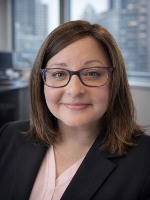
At the age of nine, I was diagnosed with leukemia and spent the next two years in and out of a children’s university hospital in Chicago receiving treatment. I was fortunate enough to achieve remission and move forward with my life. At that time, I believed my experience with hospitals had ended. However, this early exposure to serious illness would later shape both my personal perspective and professional calling.
When I entered college, I initially planned to pursue a career in education, specifically as a mathematics teacher. I was motivated by a desire to help others and contribute meaningfully to their development. After discussions with my academic advisor and my father, I transitioned to social work, recognizing it as a profession that aligned more closely with my values and long-term goals. This decision marked the beginning of my career in social services.
I began my professional career 27 years ago as a licensed social worker in a hospital setting. I was privileged to work alongside experienced social workers who provided mentorship and guidance, helping me build a strong foundation in clinical assessment, intervention, and interdisciplinary collaboration. Early in my career, I developed a particular affinity for working with the geriatric population. I found fulfillment in assessing psychosocial needs, supporting patients and families during periods of acute distress, and connecting them with community resources to alleviate practical and emotional burdens. For patients with limited or no family support, I prioritized my consistent presence and engagement to ensure they felt supported and valued.
Working in an acute care hospital environment allowed me to refine my clinical judgment and adaptability. At a small community hospital, I supported a wide range of patient populations, including patients in pediatrics, geriatrics, oncology, orthopedics, and cardiac services. This vast experience strengthened my ability to respond effectively in fast-paced, high-acuity settings. I later transitioned through several hospital systems before joining a Level One trauma medical center.
During my 18 years at the trauma center, my professional skills expanded significantly. I earned my LCSW and Accredited Case Manager (ACM) credentials and gained extensive experience working with trauma, mental health, transplant, and patients in crisis in the emergency department. I also provided coverage for the oncology unit during weekend shifts. While some perceive oncology work as emotionally difficult, I viewed it as an opportunity to provide essential psychosocial support, education, and advocacy during a critical period in patients’ lives. I frequently engaged in education related to palliative care and hospice services, developing competencies that would later prove central to my career.
In a pivotal moment, I applied for an outpatient oncology social work position at a university hospital. This transition brought my journey full circle. Nearly four decades after receiving life-saving treatment as a pediatric oncology patient, I returned to the same university hospital—now as an oncology social worker. In this role, I support patients diagnosed with cancer as they navigate the psychosocial, emotional, and practical challenges associated with their illness. My work focuses on adjustment to diagnosis, coping strategies, resource coordination, and compassionate support for both patients and their families.
This position inspired me to pursue certification as a Certified Oncology Social Worker (OSW-C), for which I plan to apply this year. I am committed to practicing at the highest level of professional competence and ethical standards. Through the Association of Oncology Social Work (AOSW), I have found a vital professional network that offers education, collaboration, and support specific to oncology practice. This community provides a space to share knowledge, process the emotional demands of the work, and continue professional growth.
I now recognize that my personal history, combined with decades of diverse clinical experience, has prepared me for this specialized role. As the sole social worker providing supportive oncology services at my clinic, I utilize a comprehensive skill set that includes clinical intervention, resource development, grant writing, and program planning. Continued education, networking, and advocacy remain central to my practice. Witnessing patients experience relief through access to grants, transportation, meals, or emotional support reaffirms the significance of this work.
My professional journey has been deliberate and cumulative, with each experience contributing to my development as an oncology social worker. While my learning continues, I am confident that this role reflects both my professional purpose and personal commitment. I have arrived at a place where my experience, values, and skills align, and I remain dedicated to advancing supportive oncology care for those I serve.